A Complete Guide to Color Temperature: Creating the Perfect Lighting Environment

Lighting does more than just illuminate a space — it influences how products appear, how colors are perceived, and how people experience an environment. Choosing the right color temperature is one of the key decisions when designing lighting for retail fixtures, displays, cabinets, or architectural features. Understanding terms like Kelvin (K), CRI, warm versus cool light, RGB, Tunable White, and lighting controls will help you make the best choice for your project. At Specialty Lighting, we work with customers every day to develop lighting systems that provide the exact look and performance they need.
What Is Color Temperature? (Kelvin Explained)
Color temperature indicates the hue of light emitted by a fixture and is measured in Kelvin (K). Lower Kelvin values produce a warm, yellowish light, while higher Kelvin values result in a cooler, whiter, or bluish light.
Typical color temperature ranges include:
- 2700K–3000K – Warm White
- 3500K–4100K – Neutral White
- 5000K–6500K – Cool White / Daylight
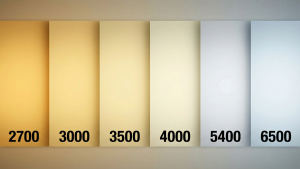
Color temperature influences mood, perceived brightness, and how materials appear. Warm light is often used in hospitality, residential, and wood display applications because it creates a cozy and inviting atmosphere. Neutral white is common in retail fixtures and cabinets where balanced color rendering is needed. Cool white is effective for task lighting, jewelry displays, and environments requiring clear visibility.
Warm vs. Cool Light: How Color Temperature Shapes Appearance
Color temperature is often overlooked in lighting design, but it profoundly influences how objects, materials, and spaces are perceived.
Warm light (typically 2700K–3000K) creates a soft, inviting look. It highlights the richness of wood tones, textiles, and earthy colors while reducing harsh shadows. This makes it ideal for furniture displays, residential areas, and hospitality settings where comfort and ambiance are important.
Cool light (usually 4000K–6500K) provides a sharp, high-clarity appearance. It enhances whites, accentuates the shine of metals and glass, and increases contrast — making it perfect for retail showcases, work areas, and any display where precision and detail are essential.
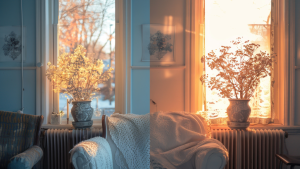
Using the wrong color temperature can cause issues: products may appear dull or discolored, paint and fabric might look mismatched compared to natural light, and poor lighting choices can cause glare that distracts from the intended focus, especially in task lighting, jewelry displays, and environments requiring sharp visibility.
CRI (Color Rendering Index): What It Is and Why It Matters
CRI, or Color Rendering Index, is a standardized method for measuring how accurately a light source reproduces colors compared to natural daylight. The scale ranges from 0 to 100; the higher the number, the truer-to-life and more vibrant the colors appear to the human eye.
Here’s a practical breakdown of the CRI scale:
- 80–89 CRI — Suitable for general-purpose and commercial lighting
- 90–94 CRI — High-quality color rendering for retail settings and product displays
- 95–100 CRI — Nearly perfect accuracy for jewelry, fine art, museums, and premium showcases
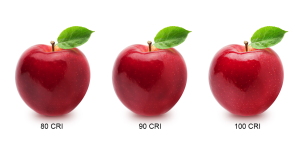
High-CRI lighting is especially important for retail fixtures, showcases, cabinets, artwork, and product displays, where accurate color depiction is crucial. Specialty lighting products are designed to deliver consistent output and high color accuracy, so materials look as intended.
RGB Lighting: Creating Color, Atmosphere, and Visual Impact
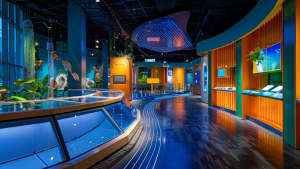
RGB lighting combines red, green, and blue LEDs at different intensities to create an almost limitless range of colors. From bold, vibrant hues to gentle washes of light, a single RGB system can produce millions of unique color combinations.
RGB lighting is commonly used for accent lighting, architectural features, museum exhibits, and retail displays where visual impact enhances engagement. With the appropriate controller, colors can be precisely adjusted, sequenced, or dynamically changed to match brand identity, seasonal promotions, or special events. This programmability makes RGB an especially versatile tool for environments that need to change, creating entirely different atmospheres without replacing any fixtures.
Tunable White – Adjustable Color Temperature
Tunable White lighting enables the adjustment of color temperature within a range, such as from 2700K to 6500K, using a compatible control system. This allows you to change the appearance of a display without replacing the fixture. Tunable White is valuable in retail fixtures, museums, cabinets, hospitality settings, and architectural lighting, where different products or materials might require different lighting conditions. It also makes it possible to adjust lighting for comfort, time of day, or changing display needs. Specialty Lighting can design custom tunable solutions that offer flexibility while ensuring consistent performance.
Lighting Controls – Achieving Your Perfect Look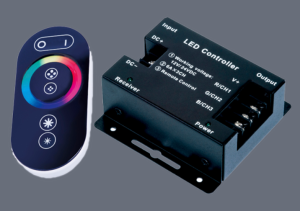
Modern lighting systems often feature controls that let users adjust brightness, color temperature, or color output. These controls may include simple dimmers, RGB controllers, tunable white controls, or fully programmable systems. Lighting controls enable the creation of scenes, the adjustment of lighting for different settings, and a professional, personalized appearance. They also enhance efficiency by allowing the lighting levels to be set only where needed. Incorporating the appropriate controls ensures the lighting system works exactly as intended.
Choosing the Right Lighting for Your Project
When selecting a lighting solution, it’s important to consider the application, the materials being illuminated, the desired mood, and the required level of color accuracy. Brightness, installation space, and control options should also be part of your decision. Since every project is different, the best results come from choosing a system tailored specifically for the application.
How Specialty Lighting Helps You Achieve Success
Choosing the right color temperature is essential for achieving the best appearance, functionality, and customer experience. Whether your project requires warm-white cabinet lighting, high-CRI retail fixtures, RGB effects, or tunable-white systems, the correct design makes all the difference.
Before you get started, let’s discuss your upcoming project
Specialty Lighting works closely with customers from concept to production to develop lighting systems that meet precise specifications. Our team offers design support, engineering assistance, custom color-temperature options, high-CRI LEDs, RGB and tunable white solutions, and integrated power and control systems. Prototyping and testing ensure the final product performs as expected.
Contact Specialty Lighting to discuss your upcoming lighting project and discover how the right lighting can create an ideal visual experience.
Let's Connect!